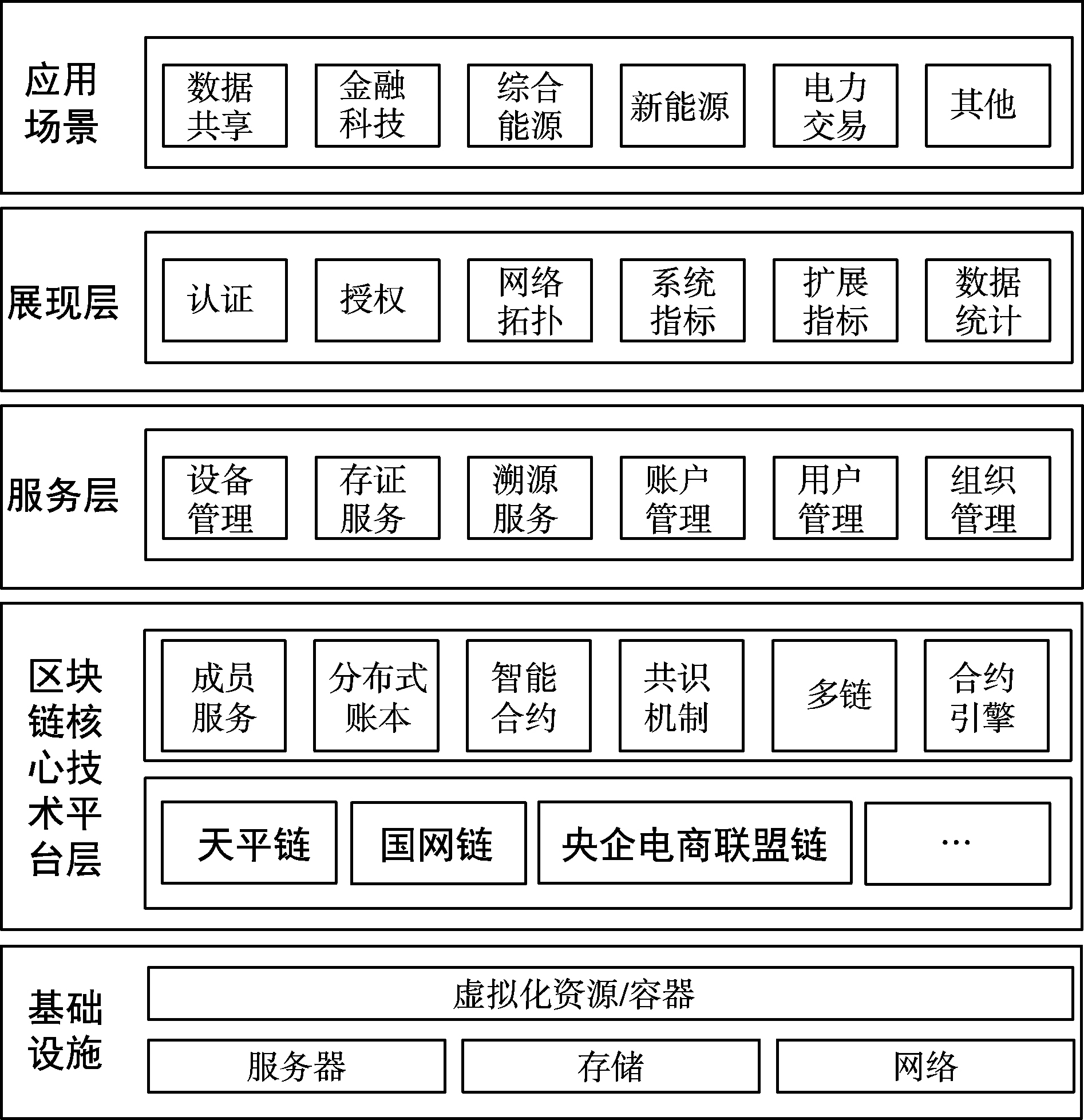
The energy and power industry is characterized by multiple participants, long business process and wide distribution area, resulting in serious data islands, credit transfer difficulties and prominent trading risks. Blockchain has the characteristics of transparency, traceability, tamper-proof,decentralization and other technical features, making its extensive and in-depth application in the energy and power industry an inevitable trend. This paper firstly analyzes the applicability of blockchain technology in the energy and power industry, and then proposes an architecture of energy blockchain application. Then, after a summary of existing research, this article introduces in detail the typical business application scenarios that have been implemented in early 2020, and describes the business architecture and application effects based on blockchain technology for each scenario. Finally, the development prospect and classification of business application scenarios are discussed. The existing problems in the current application of blockchain in the energy and power industry are analyzed, and the corresponding development suggestions are put forward.
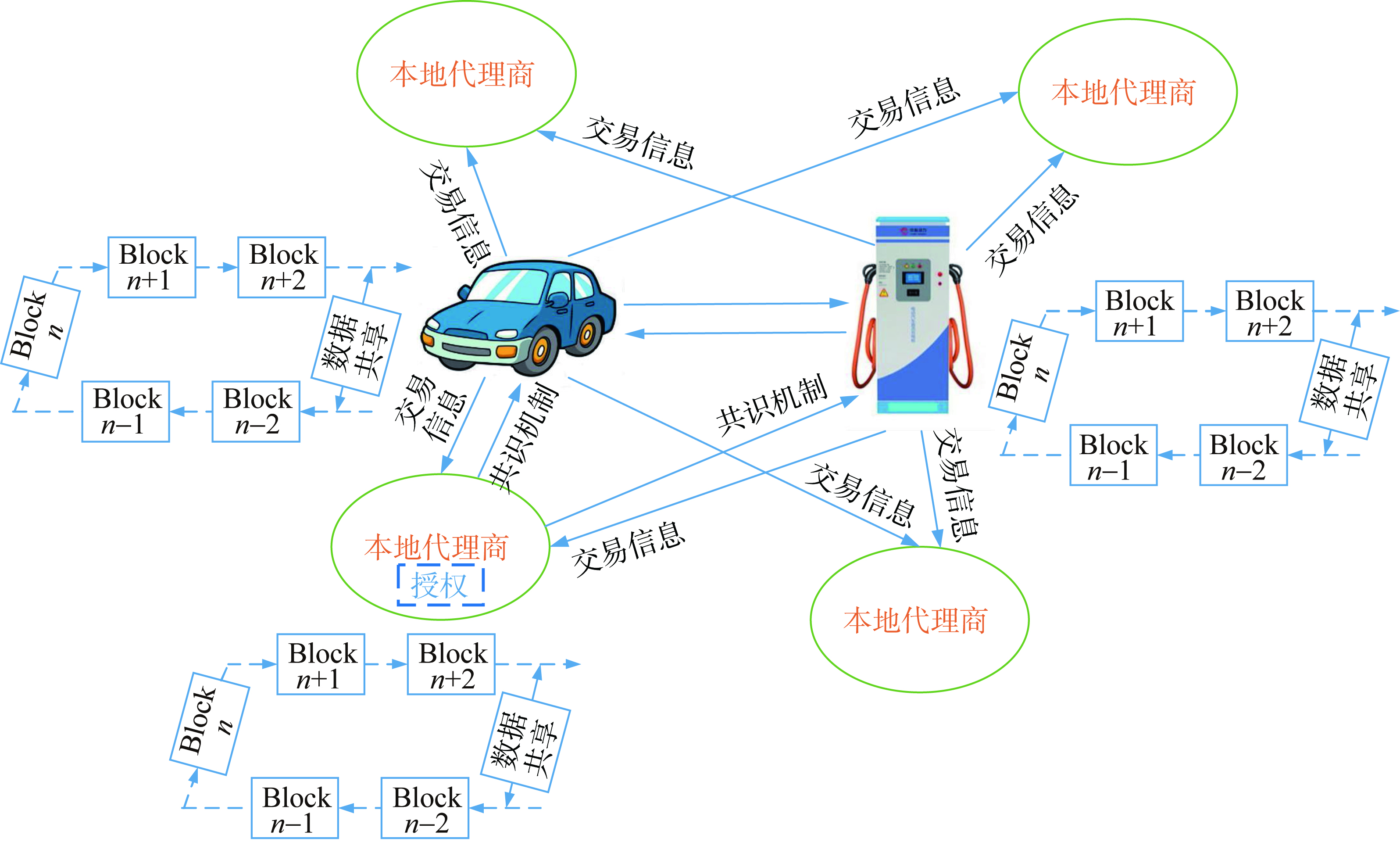
Blockchain technology has the characteristics of decentralization, non-tampering, multi-party data sharing and common maintenance, which enables two parties that do not understand and trust each other to achieve credible and equivalent power transactions. In view of the lack of trust between vehicle owners and service providers in the charge and discharge of electric vehicles, the disorder charge and discharge of a large number of electric vehicles will cause peaks on the grids’ peak load. A mutual trust transaction architecture and scheduling strategy based on the electric vehicle alliance chain is proposed. Firstly, the white box password, smart contract, and congestion management in the blockchain are introduced to analyze the execution process of the transaction mechanism on the electric vehicle chain; Secondly, a double-layer optimal scheduling model for electric vehicles is built. The outer layer aims at encouraging the new charging peak problem aroused by encouraging to charge at low electricity prices, comprehensively considering the load variance and user creditability, optimizing the time-of-use electricity pricing strategy, and optimizing the electricity price curve export to the inner model. The inner layer aims to eliminate the problem of higher cost for the deviation of electricity, and uses the mobile energy storage characteristics of electric vehicles to achieve self-balance of power supply and demand. Finally, the differential evolutionary game combination algorithm with incentive mechanism is used to solve the problem, and the effectiveness of the proposed strategy is verified by simulation.
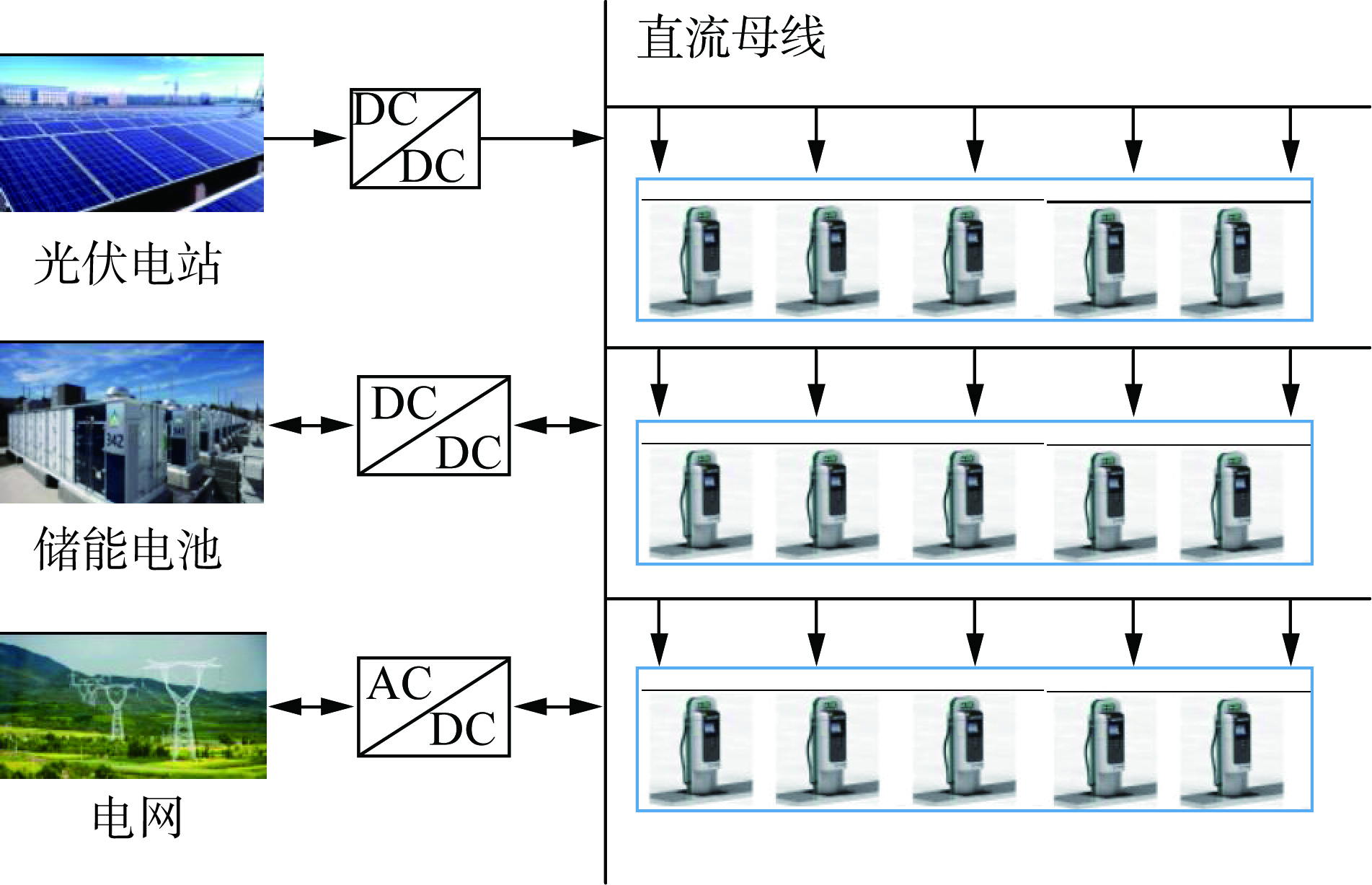
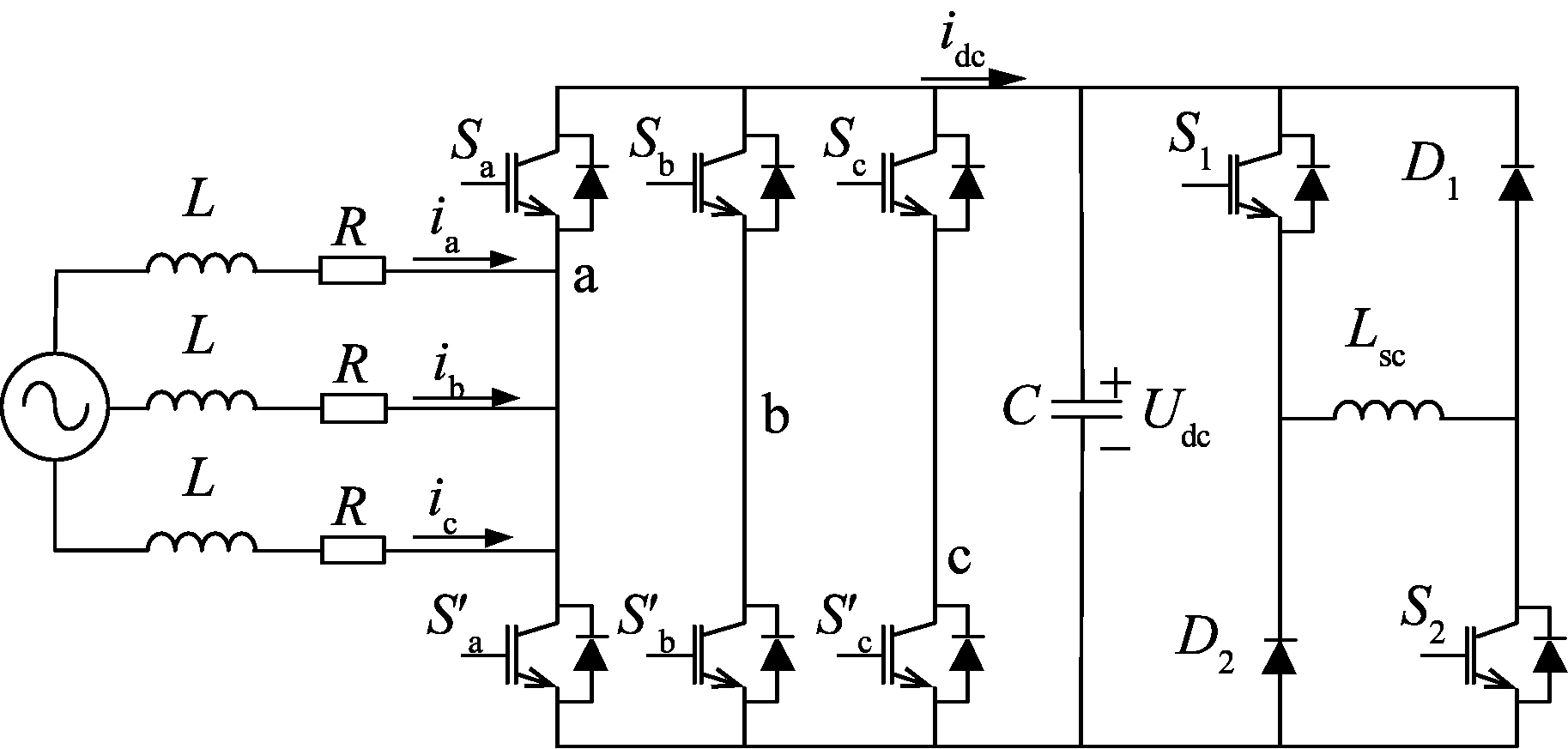
Under weak grid, the small-signal modeling and stability analysis of the common AC bus charging and discharging system are deeply studied. Firstly, by d-q axis linearization, the AC input impedance matrix of the three-phase AC/DC converter considering the influence of voltage loop, current loop and phase locked loop (PLL) is established, and the influencial factors of impedance characteristics and stability are analyzed in depth. Secondly, according to the Generalized Nyquist Criterion (GNC), the reduced-order impedance stability criterion of the charging and discharging system is derived. Finally, from the perspective of charging and discharging, it is given in a qualitative and quantitative manner. With the stability analysis, this paper gets the maximum charge and discharge power, and the conclusion can be used to guide the parameter design of the system. Through theoretical analysis and simulation verification, the correctness of the impedance model in d-q coordinate system, stability criterion and stability analysis conclusion established in this paper are obtained.
As a new kind of green means of transportation, electric vehicle has drawn wide attention in the society. This paper presents an optimized scheduling scheme of integrated DC quick charging station for EV according to user travel simulation. Firstly, combining with the concept of user trip-chain, on the basis of the urban road network and the improved road resistance function model, real-time path search algorithm and user charging manner selection method based on fuzzy theory are used to predict the spatial and temporal distribution of charging load of urban EV within a day. Then on the basis of the prediction results, with the principle that the biggest user "charging joint degree" regional charging load will be implemented to construct charging stations in a specific node. In order to minimize the integrated operation cost of the station, the optimal scheduling model is constructed under the constraints of equipment power, user trip demand and battery status. Finally, the optimization scheme is compared with the conventional scheduling scheme that only needs to meet the power balance of the equipment and the EV user needs to charge at rated power on the spot. The results show that the optimized scheduling scheme proposed in this paper can greatly reduce the operating cost of charging stations and has the value of popularization and application.
The microgrids on independent islands mostly operate in island mode due to the long distance to the mainland, and the power supply and demand keep balanced inside the microgrid. At the same time, the charging load of electric vehicles (EVs) has affected the reliable operation of the island microgrid. A method for calculating the reliability of island microgrid that takes into account the EV charging demand is proposed. Firstly, an EV charging load model based on trip chain theory is established by simulating the travel behavior of users; taking into account the characteristics of wind power and energy storage, a microgrid operation strategy and a load reduction strategy are proposed. Then, taking the charging demand of electric vehicles into account, new indexes such as the Annual Average Charge Interruptions and the Average Service Availability Index are proposed, which constructed a reliability evaluation system for microgrids different from that for the traditional distribution network. Finally, the method proposed is tested by the improved RBTS Bus 6 feeder F4 system, which shows that the microgrid operation strategy and electric vehicles charging demand have a significant impact on the island microgrid reliability, which proves the effectiveness of the method.
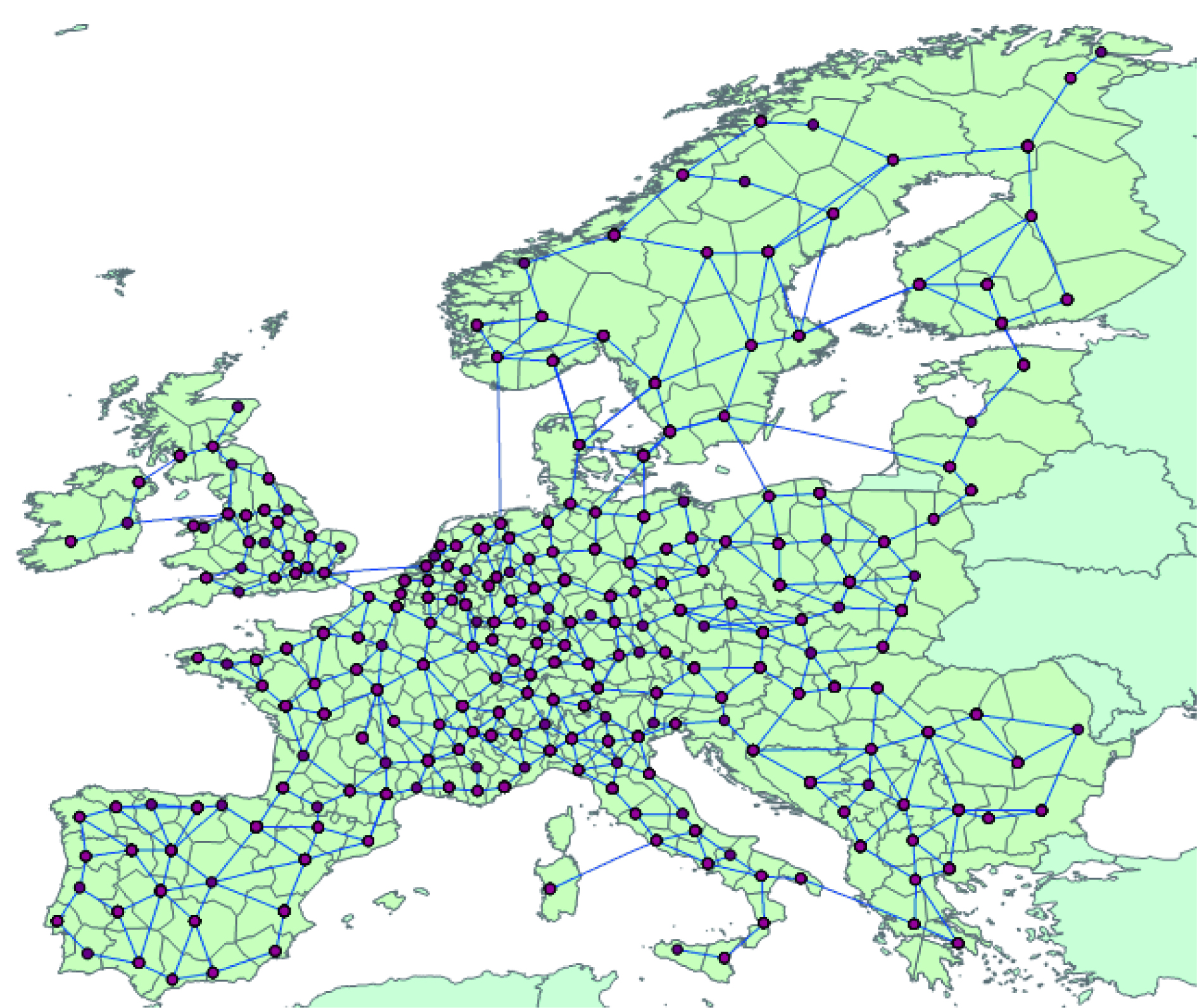
The Global Energy Interconnection (GEI) vision is to enhance the deployment of renewable energy generation on a global scale by building intercontinental power transmission corridors, thereby promoting global decarbonization. Under the premise of a unified electrical market, this paper discusses the compatibility of current development plans of European power grid, proposed by European Network of Transmission System Operators (ENTSO-E), with the long-term GEI scenarios in 2030 and 2050. To fully consider the environmental, social, and political elements in the network expansion, a novel methodological approach is proposed, which combines the techno-economic models with socio-economic decision-making support tools, as the multi-criteria analysis. By this method, the paper computes the optimal power flows in the European network model in the GEI scenarios of 2030 and 2050. The study shows that, at the high load level projected in the GEI scenario, a widely distributed congestion between the Scandinavia area and the European continent would appear, limiting the dispatch of transmission corridors from the Arctic area. The results demonstrate that the planning of GEI will require close coordination and management between transmission system operators (TSO) and institutions in various regions.
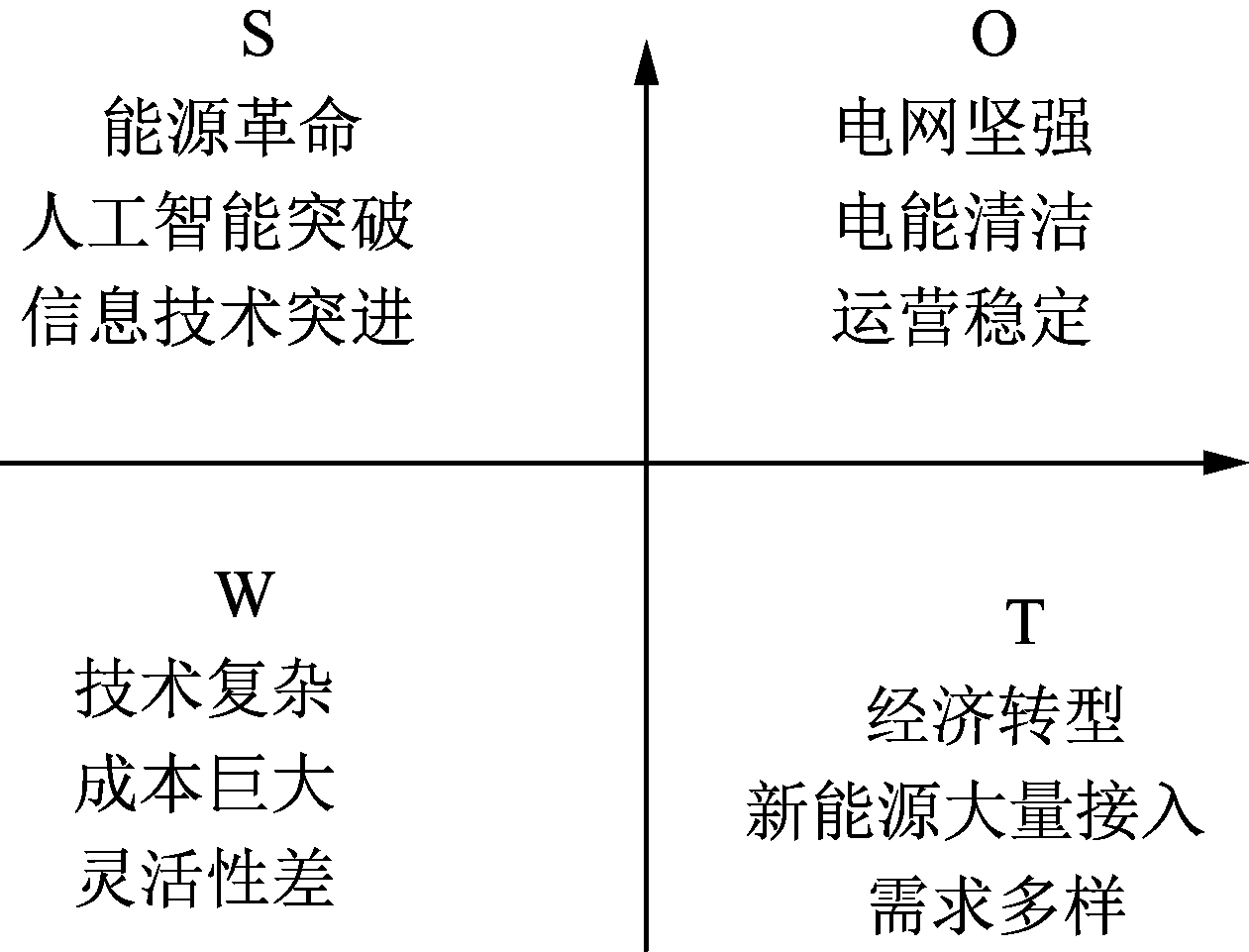
State Grid Corporation of China takes "a leading international energy internet company with Chinese characteristics" as its strategic goal, and proposes important measures such as "continuously improving the level of green electrification" and "promoting energy interconnection" to enable cities with different economic development paths and energy endowment constraints. The distribution network presents a new round of leaping and differentiated development, and it is urgent to study and predict this development form. To this end, this paper uses SWOT technology to analyze the relevant indicators that characterize the operation status of the urban distribution network and the characteristics of the future pattern. An evaluation index system is established from 7 aspects such as power supply quality, grid structure, and equipment level, and then the advantages of the cloud matter element theory is used in the distribution grid assessment. The target is divided into five forms: demonstration, high-level, intermediate, low-level, and primary according to the form classification standard. Finally, three representative cities, Beijing, Suzhou and Hengshui are selected according to the actual development level of the distribution networks from high to low. The results show that the distribution networks of Suzhou and Beijing are both in a demonstration form, but the latter’s green power accommodation is weaker than the former, and all indicators of the Hengshui distribution network are lagging behind and in an intermediate form.
As an indispensable and significant part of the microgrid, the energy storage system plays an important role in the stable operation of the microgrid and ensuring power quality of the microgrid. This paper proposes a control strategy for SMES energy storage converter based on linear active disturbance control (LADRC) , which can estimate and compensate the system disturbance, so that it could effectively improve the power quality and robustness of the energy storage system. Analysis of the frequency response characteristics of the LADRC and PI control systems shows that the feedback compensator of first-order LADRC composed of a PI controller and a first-order low-pass filter in series can effectively suppress the high-frequency noise of the system; And the stability and robustness of the control system of LADRC are analyzed by root locus method. The MATLAB simulation results show that the control strategy for the SMES energy storage converter based on LADRC has the advantages of fast response, high control accuracy and strong anti-disturbance ability, and its control effect and robustness are both better than traditional PI controllers.
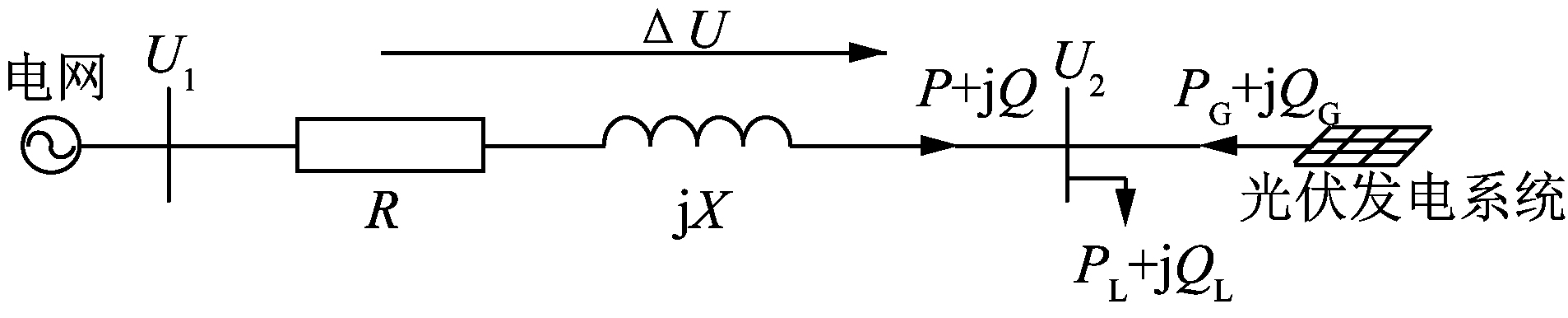
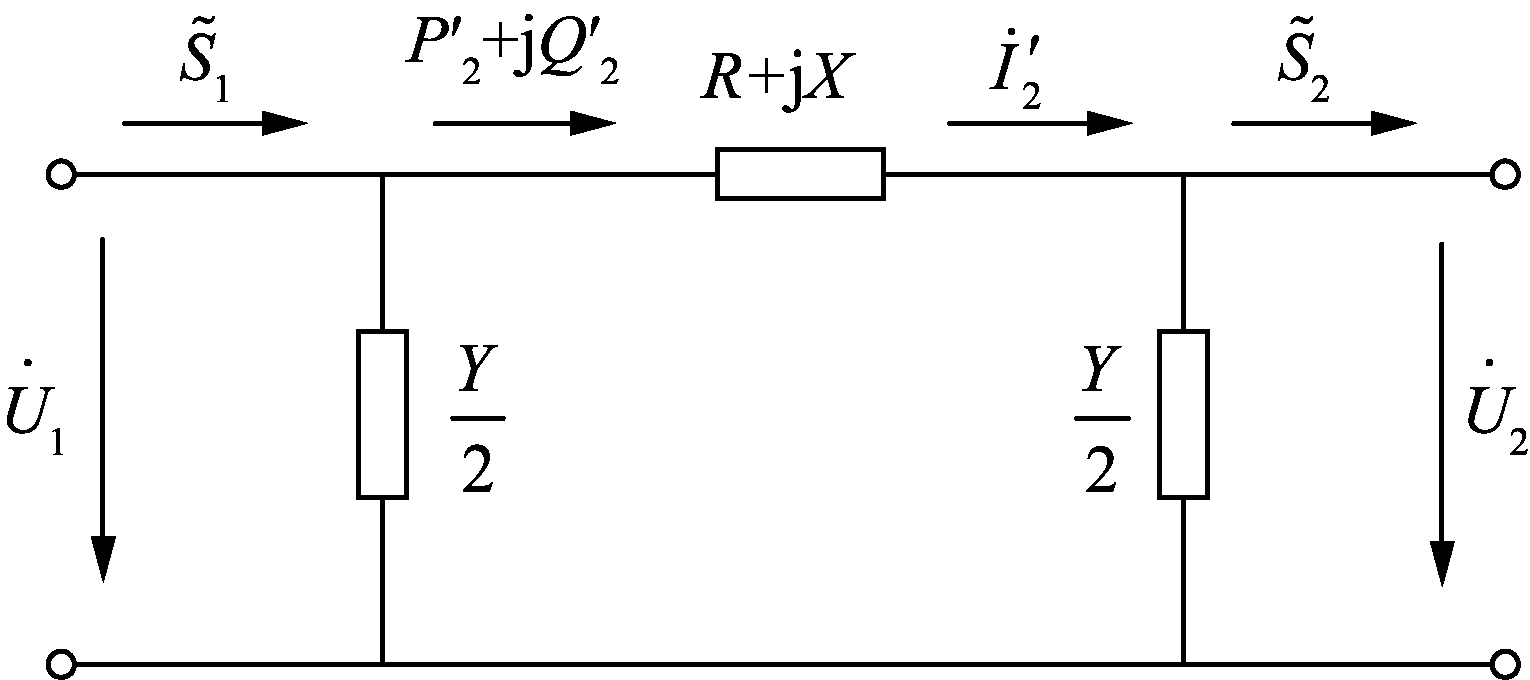
When photovoltaic power is connected to the distribution network, it will cause the voltage at the end of the line to rise and threshold crossing in severe cases. In order to solve this problem, to improve the ability and sensitivity of reactive power voltage regulation, it is proposed to add an adjustable reactor in series with distribution line as well as to use the reactive power of solar inverter for voltage regulation. The cause of the voltage rise and the effect of the photovoltaic inverter and the series reactor on voltage regulation are analyzed in this paper, and the relationship between voltage drop and series reactance and the reactive power of the photovoltaic inverter is obtained. Taking full advantage of the reactive power of the photovoltaic inverter, taking minimum active line loss as the objective function, the optimal allocation approach of series reactor is found. Finally, with the example of the line in Xinjiang Autonomous Region, the limitation of the reactive power of the photovoltaic inverter is analyzed, and the effectiveness of the method is verified.
According to the energy conservation theory, from the perspective of satisfying the power constraints and minimizing the fluctuation of the line loss rates of the medium-voltage lines, this paper converts the intelligent identification of the connection relationship in distribution networks into a combination optimization problem between medium-voltage lines and distribution transformers. Accordingly, an intelligent recognition model is proposed. In order to speed up the solution speed and improve the recognition accuracy, the dimension reduction optimization is performed by merging the distribution transformers with high correlation of voltage fluctuations. After that, the branch-and-bound algorithm is used to solve the problem, and the intelligent identification is realized. Finally, applying the measurement data obtained by the electricity information acquisition system, the proposed scheme is implemented with MATLAB and CPLEX for example analysis. The analysis results verify the feasibility and effectiveness of the identification scheme.
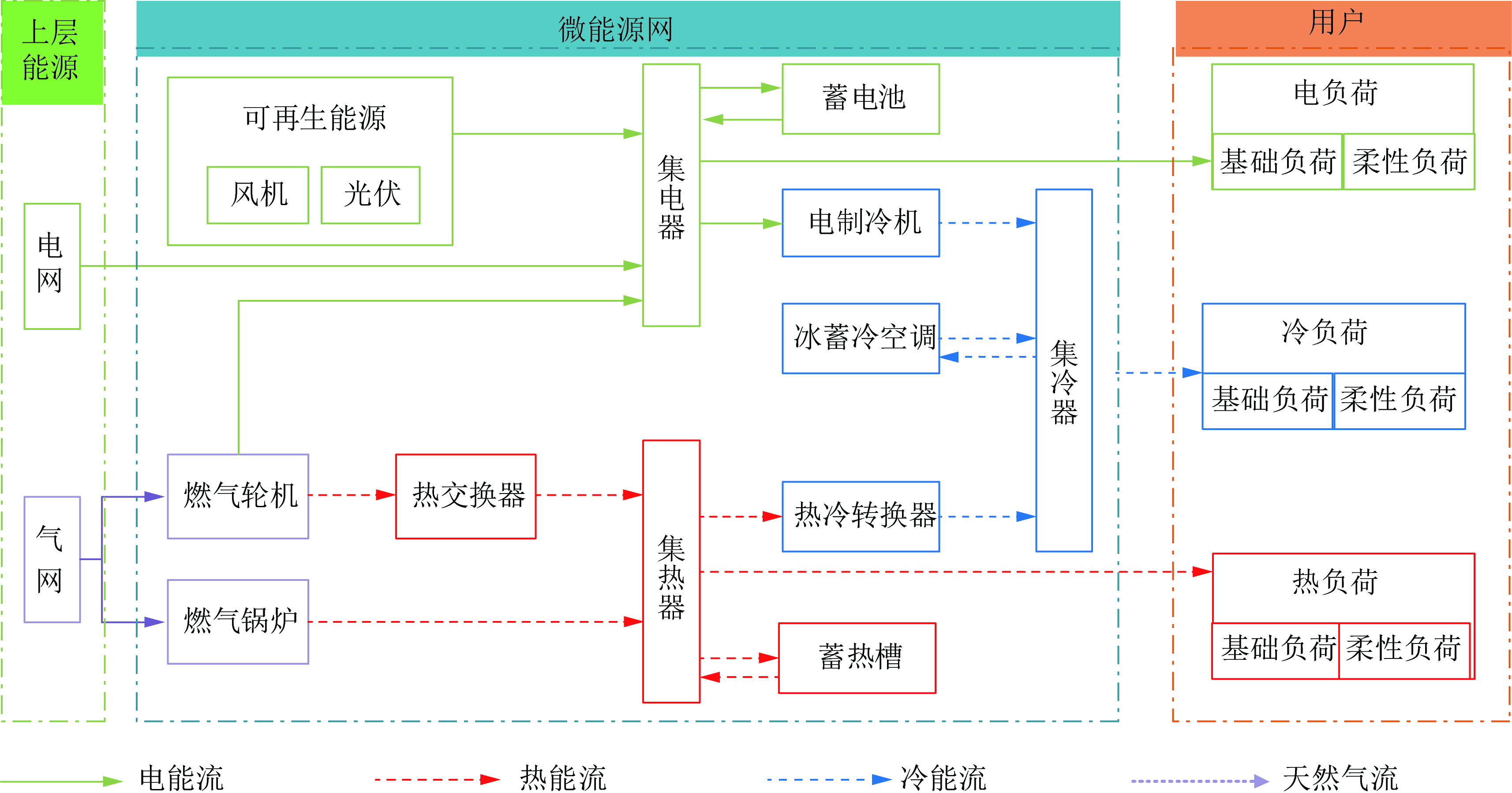
This paper proposes a multi-objective evolutionary game model between micro energy grid and users on the basis of flexible load scheduling optimization. Comprehensively consider the requirements of the micro energy grid and the user’s optimization goals and related constraints, the objective function of the game is to maximize the profit of micro-energy network, maximize the efficiency of energy utilization, minimize the cost of energy consumption and maximize the satisfaction of energy consumption. And the dual-objective functions of different dimensions of the participants are normalized by means of the modulus and the dual-objective method. In the game process, users adjust the energy consumption strategy through flexible load scheduling, and the micro-energy grid side adjusts the energy sales price according to the user’s energy consumption behavior, and finally reaches the evolutionary stable state. Through the establishment of different scenarios for example analysis, the results show that the proposed micro energy grid and user evolution game model that considers the participation of flexible loads can not only enhance the flexible adjustment capacity of the integrated energy system, but also alleviate the problem of supply shortage during peak energy consumption. Moreover, the utilization efficiency of the energy system and the comprehensive income of the micro energy grid have been significantly improved. To a certain extent, the user’s payment cost has been reduced, and the user satisfaction on energy consumption has been improved.
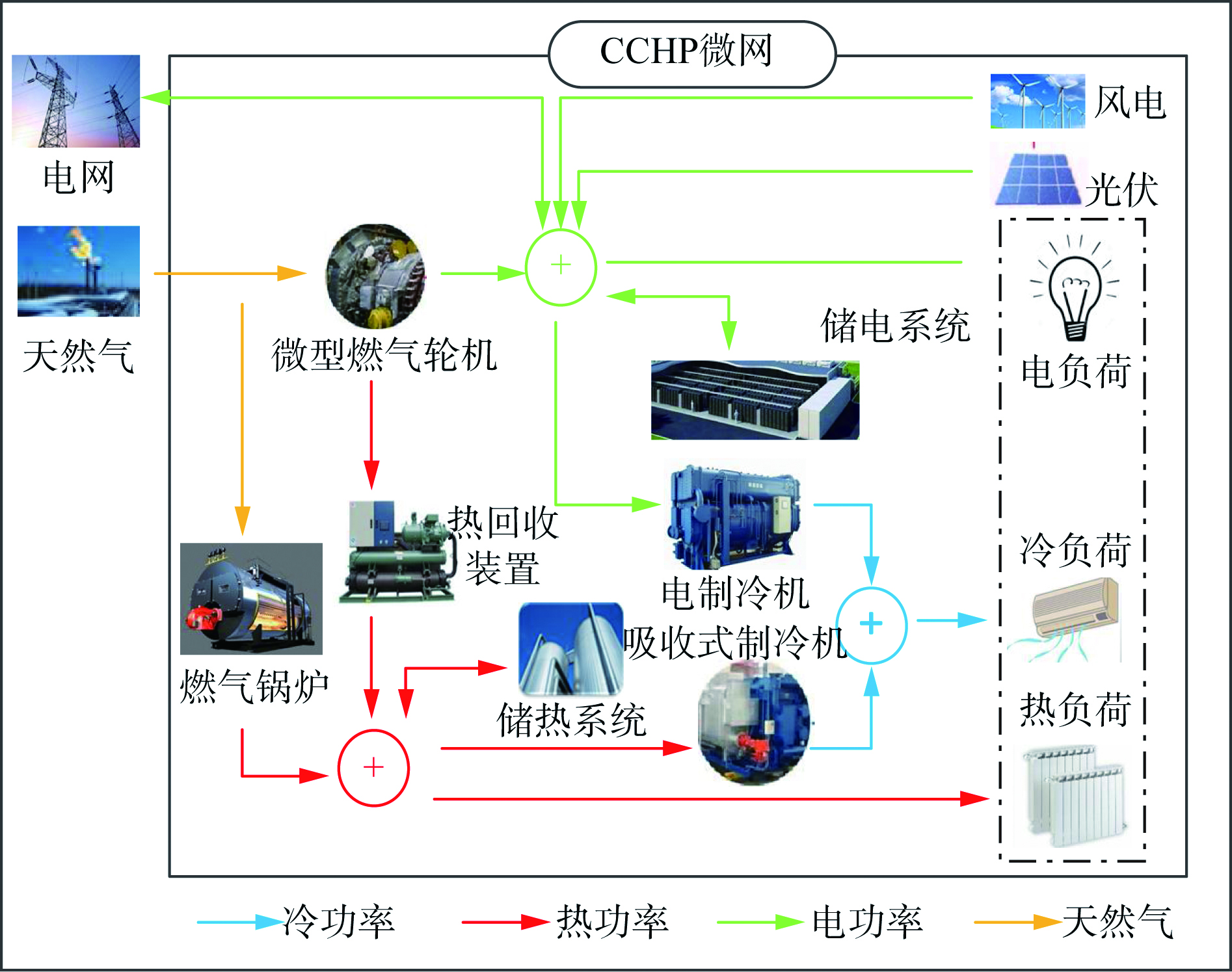
Microgrid with combined cooling, heating and power (CCHP) can realize the cascade utilization of energy, improve the efficiency of energy utilization and promote the consumption of renewable energy. In this paper, considering the particularity of CCHP microgrid operating in the power market and the uncertainty of wind and solar power output, a two-stage robust optimization model is established, which considers the integrated energy storage system of electricity and heat storage. The simulation results show that the robust optimization strategy considering uncertainty can effectively reduce the output deviation of renewable energy and increase the risk of CCHP microgrid operation cost, and the larger the output deviation of renewable energy, the more obvious the effect.
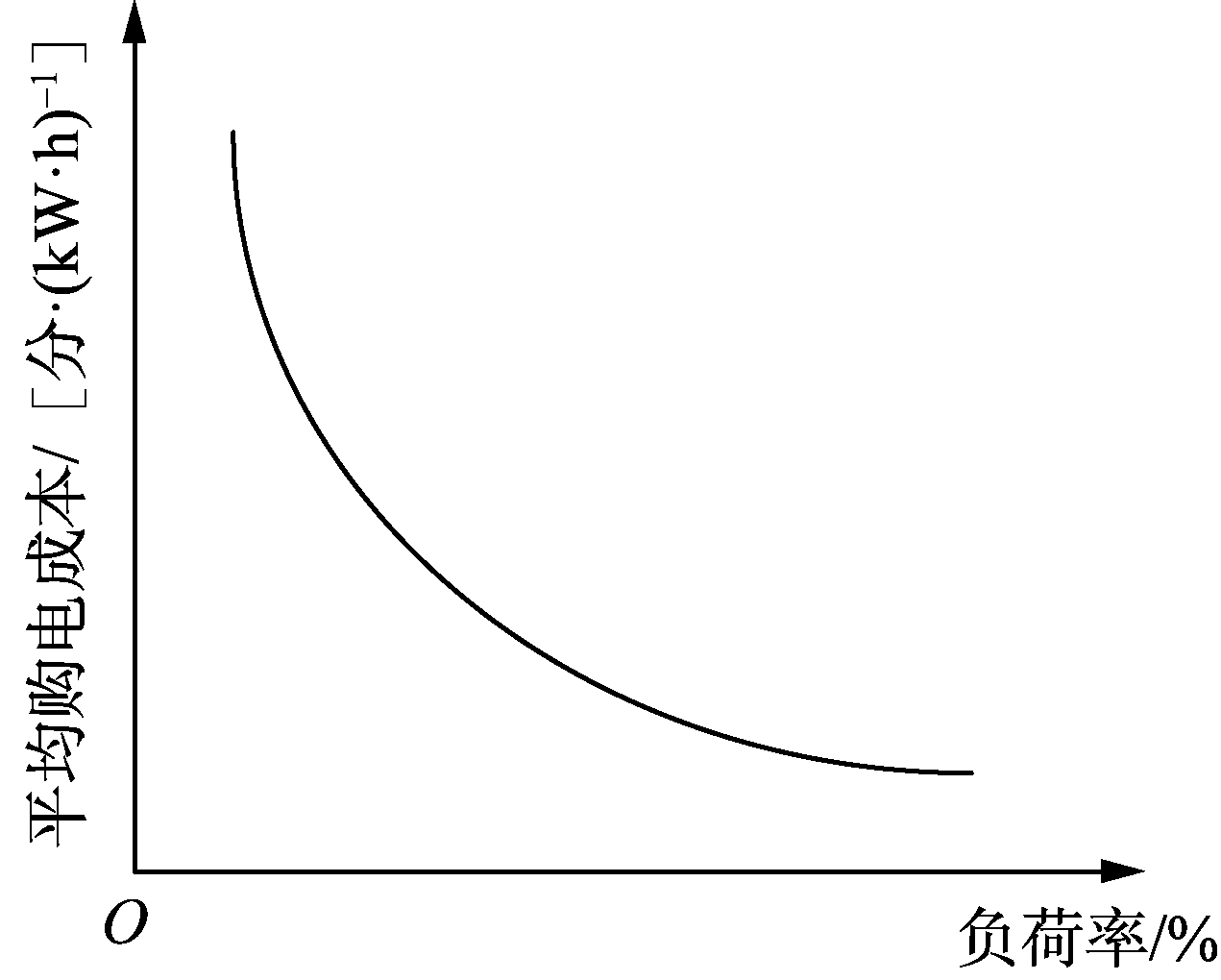
Under the environment of power market, the power sales company optimizes the combination of loads according to the load characteristics of the user, which can reduce the power purchase cost of the power sales company, thereby improving the efficiency of the power sales company. In order to integrate and optimize user resources according to the complementarity and diversity of power load, from the perspective of reducing the power purchase cost and improving the efficiency of the power sales company, a user load combinatorial optimization model is proposed according to the impact of the load rate on the power purchase cost and the analysis of users’ load characteristics. And the transferable load is further considered to optimize the users’ integrated load characteristics and increase the electricity benefits of power sales companies. Finally, the correctness and superiority of the model is verified using load data of a city’s industrial user group in 2019.
The reform of transmission and distribution prices puts forward higher requirements for the front-end planning of the provincial power grid. Based on the requirements of transmission and distribution price reforms, a unit output efficiency benefit index model for different types of planned investment projects of provincial power grids is constructed, by comprehensively considering the superimposed impact of historical planning project selection, the relative importance of various projects and planning target constraints. The provincial grid investment allocation and optimization model based on the efficiency benefits index model is constructed. And based on the risk index model, the key uncertainty indicators that affect the efficiency benefit index are analyzed. The effectiveness of the method is verified from two aspects compared with traditional methods and core supervision parameters of transmission and distribution prices. The results show that the proposed method is superior to the traditional method and electricity and assets are the main indicators of the power grid investment efficiency benefit index, which are consistent with the core parameters of transmission and distribution price supervision. In addition, power grid companies should focus on projects such as meeting new loads, strengthening infrastructure and supporting transmission from substations.
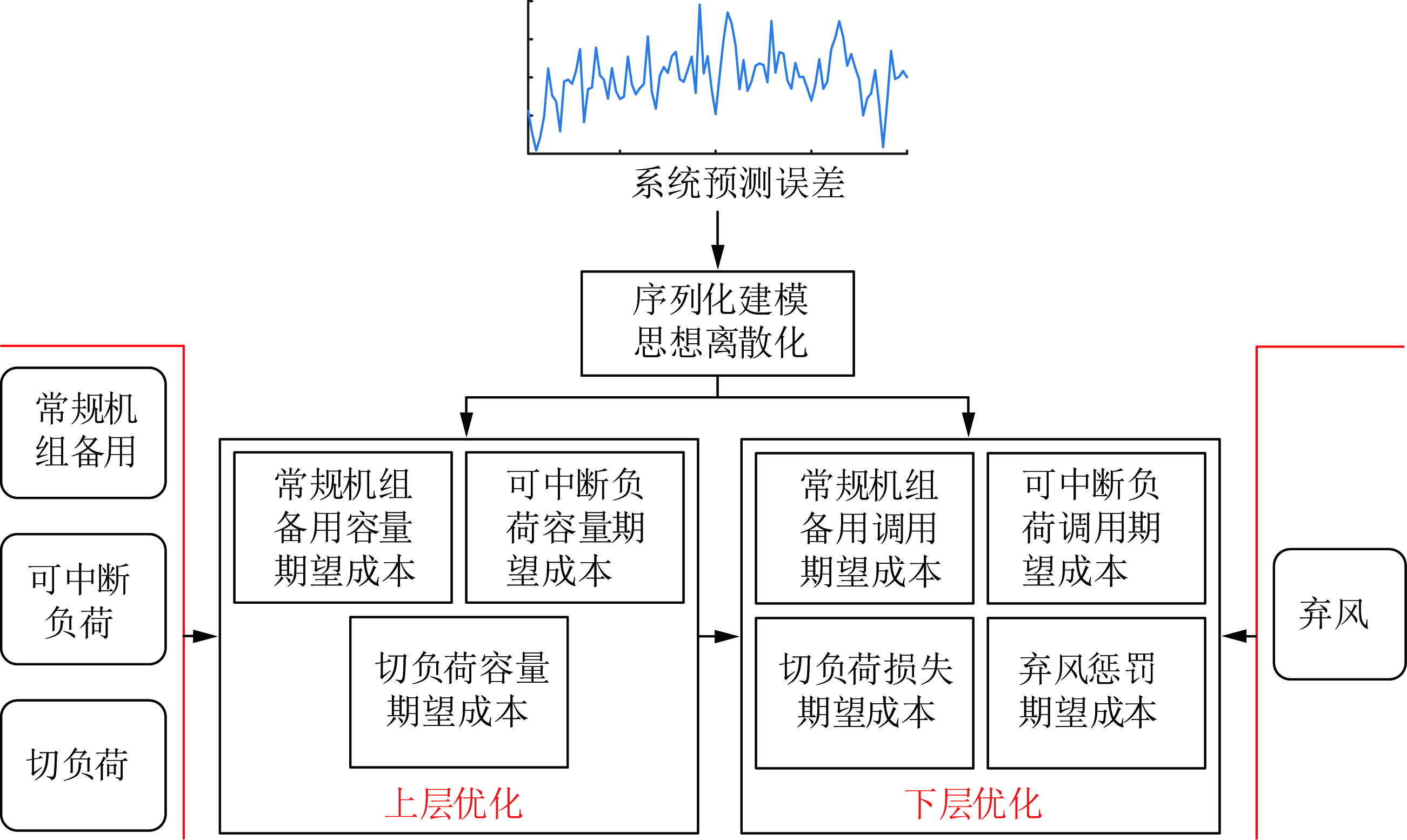
With the continuous expansion of wind power access, the fluctuation of the power system is increasing. The grid needs to configure more spinning reserve to suppress fluctuations of the power system and the forecast deviation of equivalent load. Traditional method that configures conventional spinning reserve capacity at a fixed proportion without considering other resources in the system has poor economy. Considering the further opening up of the ancillary service market and the characteristics of interruptible load, the interruptible load and conventional units are combined to participate in the ancillary service market. The proposed method is based on time scale, where the upper optimization has agreement with the capacity of the cost, the lower optimization call cost in real-time within days. The method constucts an optimal bi-level optimization objective function aimed at total expected cost. On the basis of the idea of serialization modeling, the system equivalent load forecasting deviation is discretized to obtain the corresponding decision expectation. The Commercial Software CPLEX is used to solve the objective function to obtain the interruptible load and the optimal reserve capacity of the conventional units. Finally, an example is given to verify the feasibility of the proposed method.